A message from our former EUSEA President Cissi Askwall
I can still vividly remember the moment I went down the steps to the stage in the lecture theatre at AHHAA Science Centre in Tartu, Estonia. It was in 2016, and my very first EUSEA annual conference, although the association I was heading at the time had been a member for quite some years. Vetenskap & Allmänhet (Public & Science Sweden) is a civil society organisation promoting dialogue and openness between the public and researchers, so it made a lot of sense to be part of a European professional network for science communicators and public engagers.
As I descended towards the podium, my hands trembled, and I clutched a small piece of paper with keywords to help me remember my pitch. The brief presentation about who I was and why I wanted to become an EUSEA board member was soon over. When the voting results were announced, I was overjoyed to become one of three new board members.

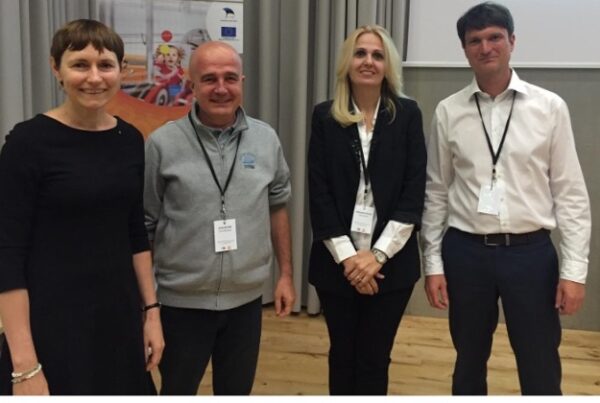
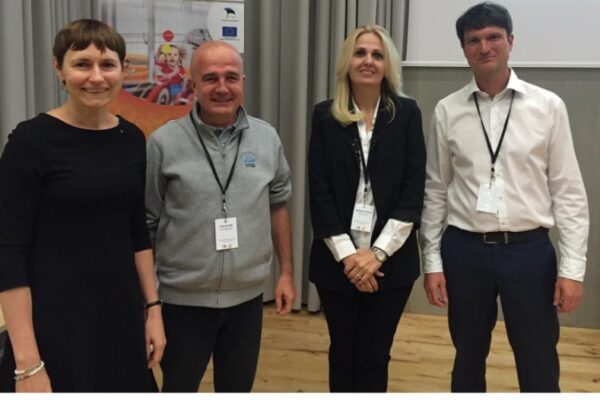
Newly elected board members at the EUSEA general assembly in 2016: Cissi Askwall, Enrico Balli and Aleksandra Drecun, together with President Markus Weisskopf.
The reason I had not attended a EUSEA conference before was that Vetenskap & Allmänhet usually sent only one representative, the employee responsible for the annual science festival we coordinated in Sweden as part of the European Researchers’ Night. After each conference, the festival manager returned to Stockholm, overwhelmed by inspiring concepts and encounters with experienced colleagues from across Europe, who generously shared their insights. The main tasks for the board I joined were to engage, support, and grow the EUSEA membership through useful activities and meetings, especially the annual conference. I believe this remains the main reason organisations and individuals choose to join the EUSEA family.

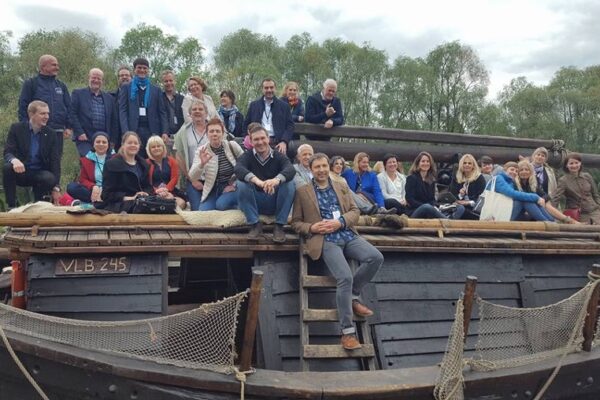
Conference participants embarking on a boat trip along the Emajõgi river through the city of Tartu in 2016.
The evolving landscape of public engagement with science
Europe invests considerable resources in research, but effective communication is also required for the results to be used. This was true 25 years ago, when EUSEA was founded, and it remains true today. In 2001, “Public understanding of Science” was a common motto. Over the years, “Science understanding of the public” has become more prominent, gradually shifting to “public engagement” and “citizen involvement with science”.
In several European countries, research ministries play an active role in promoting science communication. In other states, this responsibility lies primarily with government agencies. In countries where science communication is part of a general national strategy for research and innovation, this task is given greater weight, resulting in a more developed ecosystem for public dialogue. National policy statements on science communication often inform practice. And money talks!
Currently, several research funding bodies, including the European Commission, promote science communication through requirements, incentives, and opportunities to use research grants for communication activities. The scientific field of science communication is growing rapidly and has its own journals and conferences. Through the CoARA (Coalition for Advancing Research Assessment) process, international indicators are being developed to broaden the ways research is assessed, including its societal impact. This is important because what gets measured gets done.
Still, a lot remains to be done. I had the honour of representing EUSEA when the organisation chaired a Mutual Learning Exercise (MLE) in 2024 and 2025. The MLE was a European Commission initiative in which representatives from eight countries explored ways to engage the public in research and innovation, exchanging best practices and addressing key challenges. It resulted in four thematic reports and a final report providing policy recommendations.

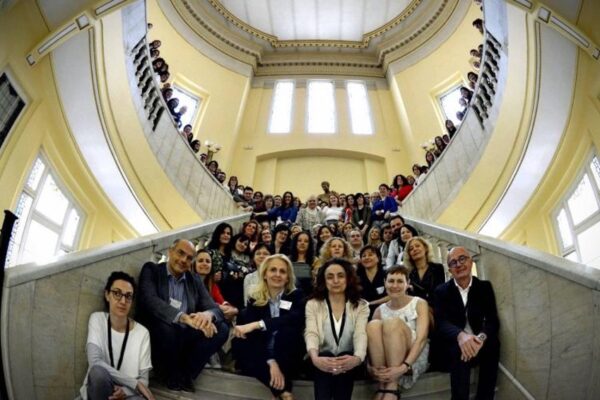
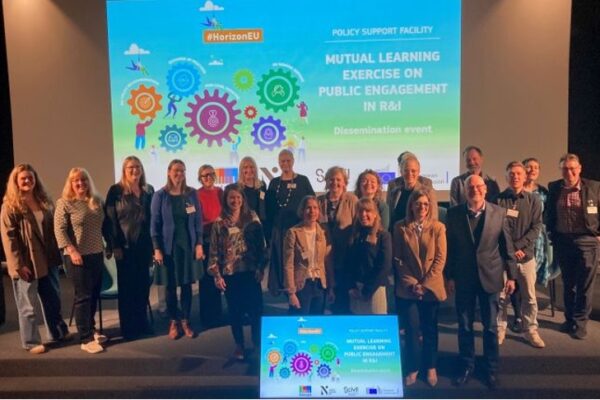
MLE participants at the final dissemination event in Brussels in April 2025.

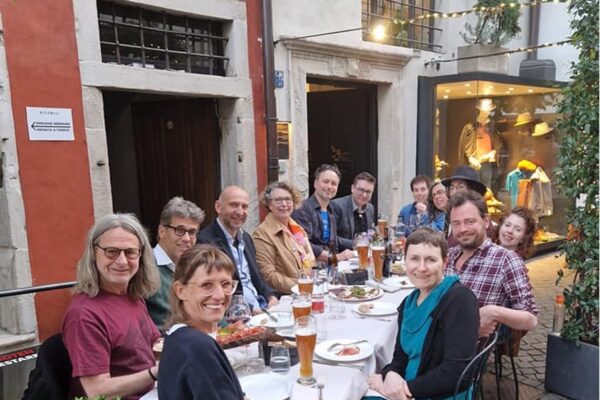
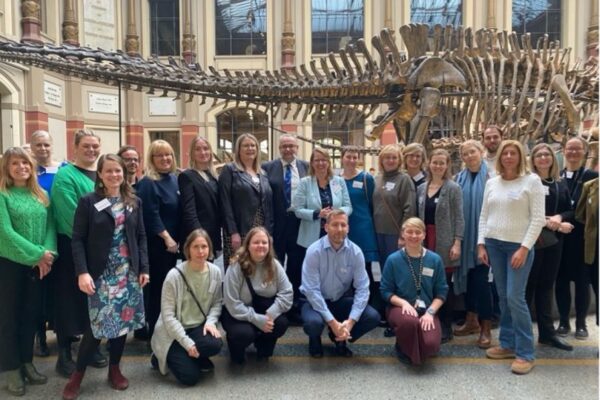
MLE participants visiting Germany gathered in front of a dinosaur at the Museum für Naturkunde in Berlin in November 2024.
What makes EUSEA so special?
The founding mothers and fathers of EUSEA shared a vision of building a professional network for scicommers and public engagers — and that is what they successfully established. Being a rather small organisation, the Board and the Director have been able to capture members’ needs and develop useful activities, training, and meetings in response. Despite members being spread across Europe, there is a genuine sense of community, almost like being part of the same family. A key success factor is the generous sharing of knowledge and experiences among members, both at the annual conference and at digital meetings labelled hotpots and bistros.

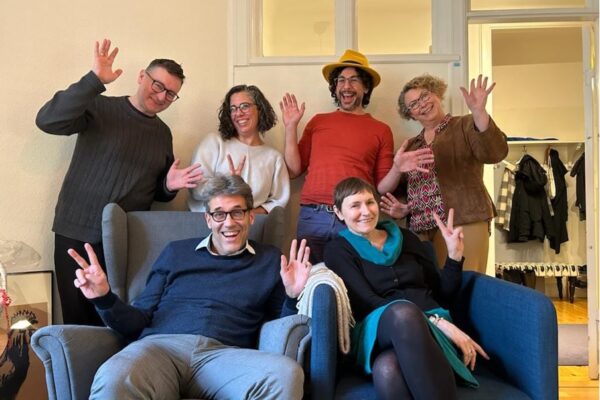
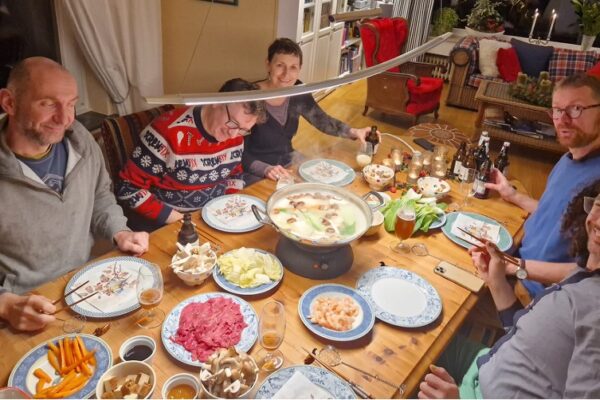
Hotpot IRL in Executive Director Annette Klinkert’s kitchen in Herford, Germany, in January 2024. Board members Andrea Brunello, Ken Skeldon, Cissi Askwall and Edward Duca, together with Annette’s husband Christof.
In terms of knowledge building and exchange, being a partner in EU funded projects has also been instrumental. Over the years, EUSEA has been involved in large European projects, resulting in a wealth of useful tools, including the European Science Engagement Platform. Thanks to EU funding, member contributions, and project results, the platform has gradually evolved over the years, resulting in a digital smorgasbord of activities, toolkits, and good reads.

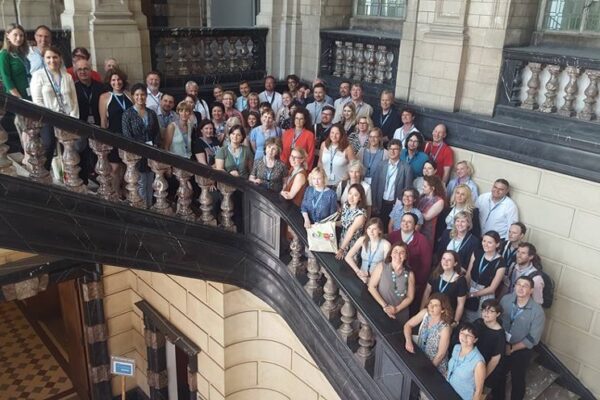
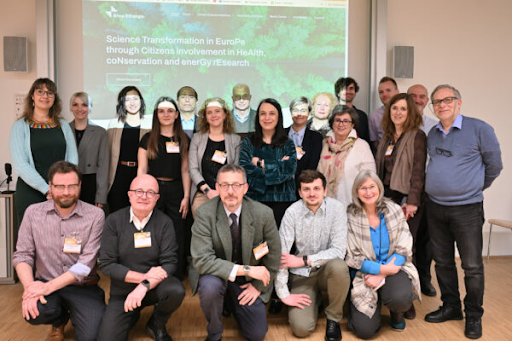
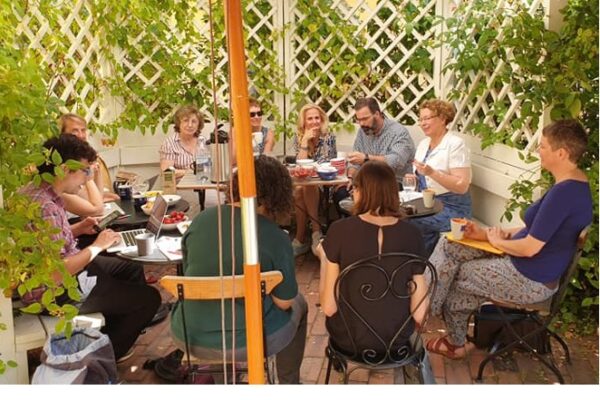
Vetenskap & Allmänhet was happy to host a workshop in Stockholm in July 2019 where EUSEA members gathered to jointly develop new parts of the European Science Engagement Platform.
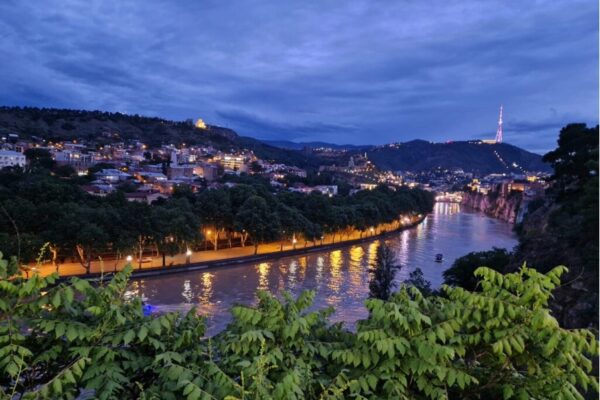
EUSEA member organisations play a key role in developing and organising the yearly highlight, the annual conference, together with the EUSEA Office and Board. A very special one took place in Tbilisi, Georgia, in 2024. This was not only because of our great hosts at Ilia State University, or because of the beautiful country and the interesting programme, but also because of the circumstances: #EUSEA24 coincided with large public demonstrations in which many Georgian citizens stood up for their personal and national identity and freedom.

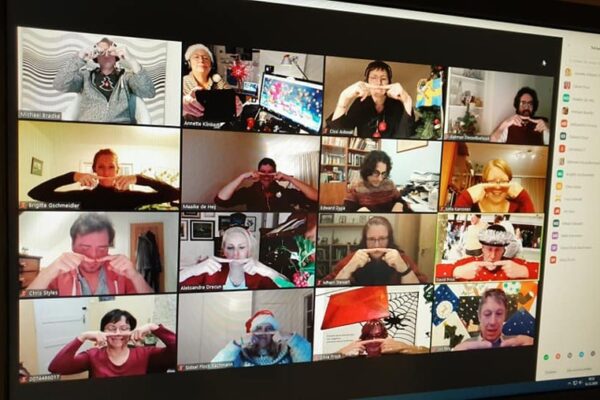
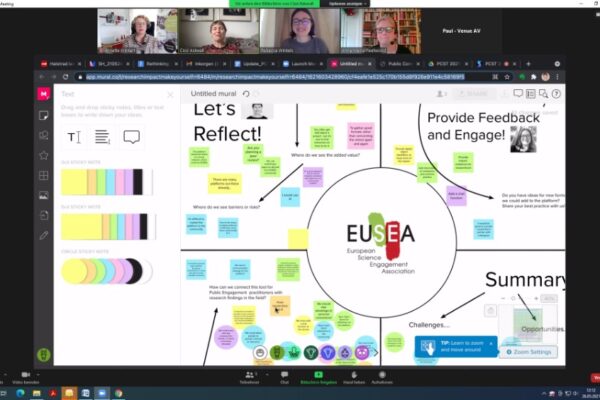
Online workshop in May 2021 where EUSEA members further developed the Science Engagement Platform.
Why you should join EUSEA
The EUSEA network has become an extended international family for me. It is a mix of old colleagues who, over the years, have become friends and new professional acquaintances. We keep in touch through digital meetings, social media, and various physical encounters. We gather tips, advice, and good examples from across Europe, and contribute by sharing our own experiences. Thanks to my EUSEA family, I have learnt so much and have had a lot of fun. By joining forces, we can have a much greater impact, including in influencing policy.
In short: We get better and stronger together! Please do consider joining EUSEA!

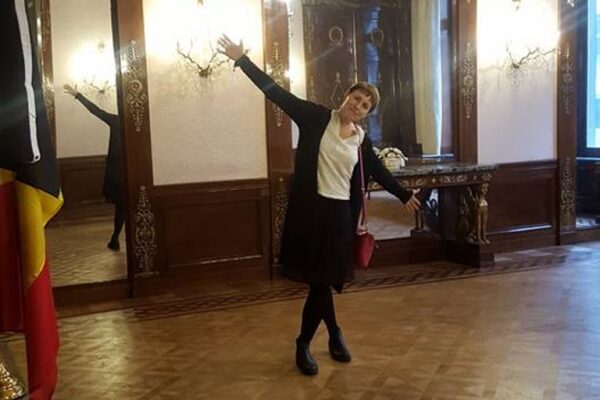
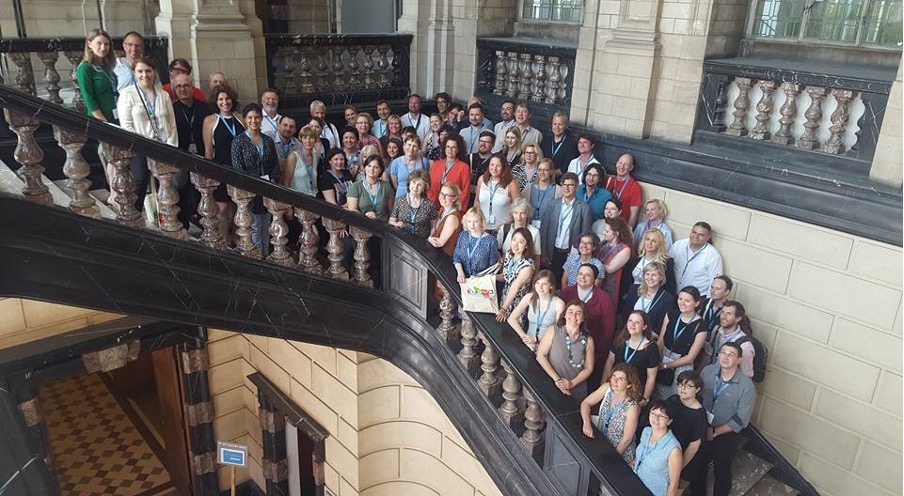
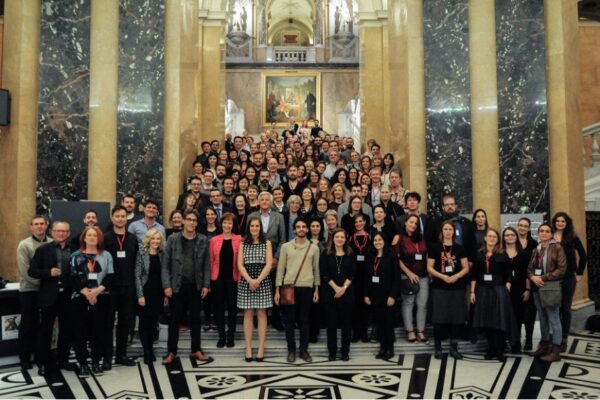
#EUSEA19 in Vienna, Austria.
Author:
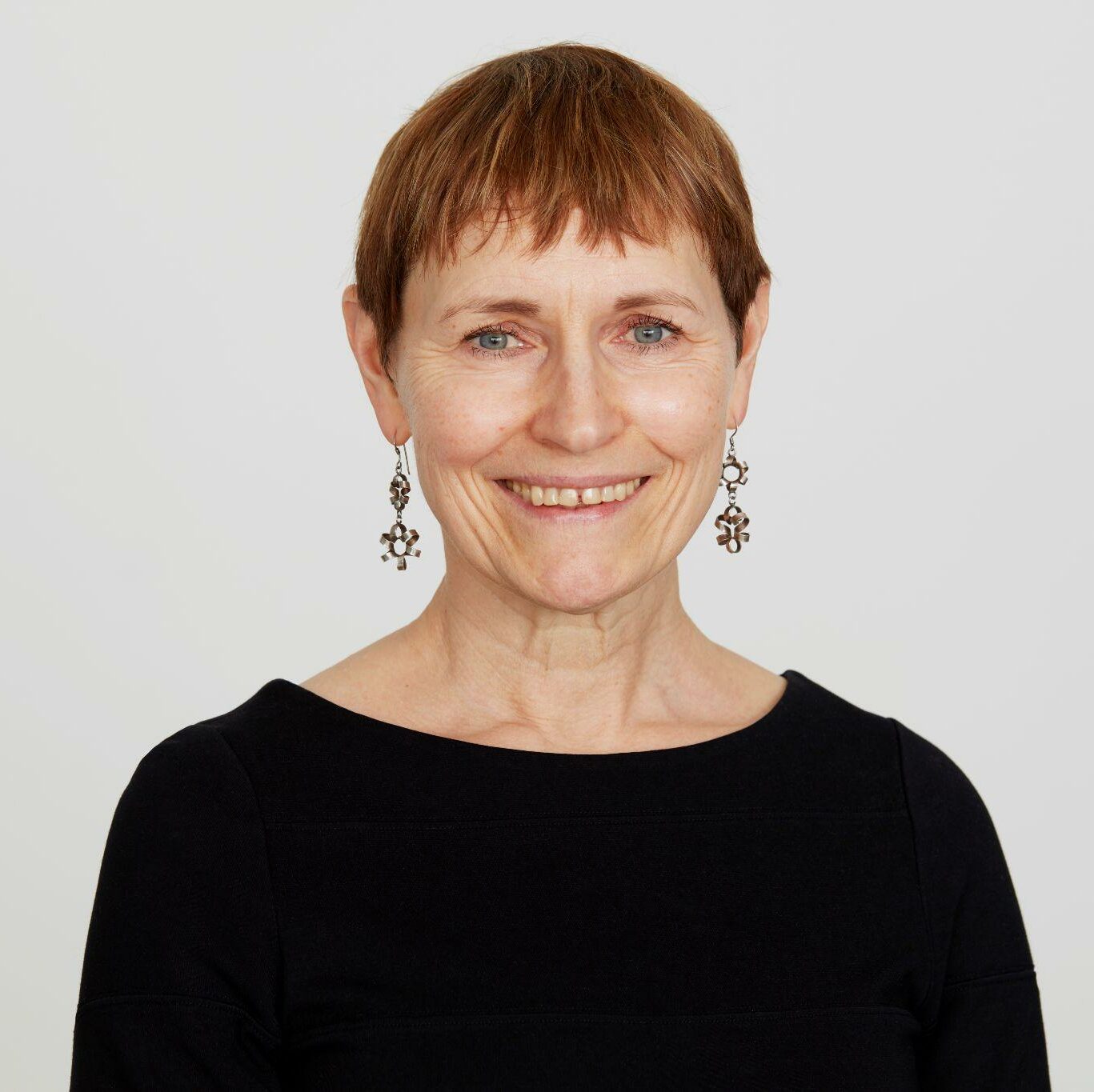
Cissi Billgren Askwall – Former EUSEA President
![cissi 19]](https://eusea.info/wp-content/uploads/2026/06/cissi-19-600x400.jpg "cissi 19]")