Poland’s science festival scene continues to bring research closer to the public, inspiring curiosity and strengthening connections between science and society. In September 2026, the Lublin Science Festival and the Lower Silesian Science Festival celebrated the year of science popularisation through diverse programmes of events, workshops and interactive activities, reaching audiences across Poland.
We hear a little about their efforts!
Lublin Science Festival: Inspiring Curiosity on a Grand Scale
Established in 2001, the Lublin Science Festival is one of Poland’s largest science festivals. Its mission is to popularise science, stimulate intellectual curiosity and foster collaboration between academic institutions and local communities. All events are free, with activities designed to engage diverse audiences regardless of age, background, or ability.
The Festival has grown considerably over the years. Between 2001 and 2025, more than 22,000 science popularisation projects and events were submitted, involving over 50,000 people in their preparation and delivery.

Each edition typically attracts 30,000–40,000 registered participants, contributing to a cumulative total of more than 700,000. In recognition of its contribution to science communication, the Festival received Poland’s prestigious Science Populariser Award in the Team category in 2022. It has also been a member of the European Science Engagement Association (EUSEA) since 2020.
The 22nd Lublin Science Festival took place from 19 to 25 September 2026 under the theme Curiosity Vis Vitalis of Science. Led by Maria Curie-Skłodowska University, the Festival brought together universities, research institutes, cultural organisations and public institutions from across Poland.
The opening ceremony featured a keynote lecture, 25 Years of Inspiring Curiosity: The Importance of Science Engagement in the 21st Century, delivered by Dr Kenneth Skeldon of the University of Glasgow, President of EUSEA.
The programme included the Lublin Science Picnic, where more than 120 science popularisation projects were presented, alongside lectures, panel discussions and activities spanning science and the arts. More than 2,000 unique projects, including repeat editions, resulted in 2,385 events. With 33,389 reservations confirmed and additional visitors attending public and online activities, the Festival estimates that it reached more than 60,000 people in 2026.

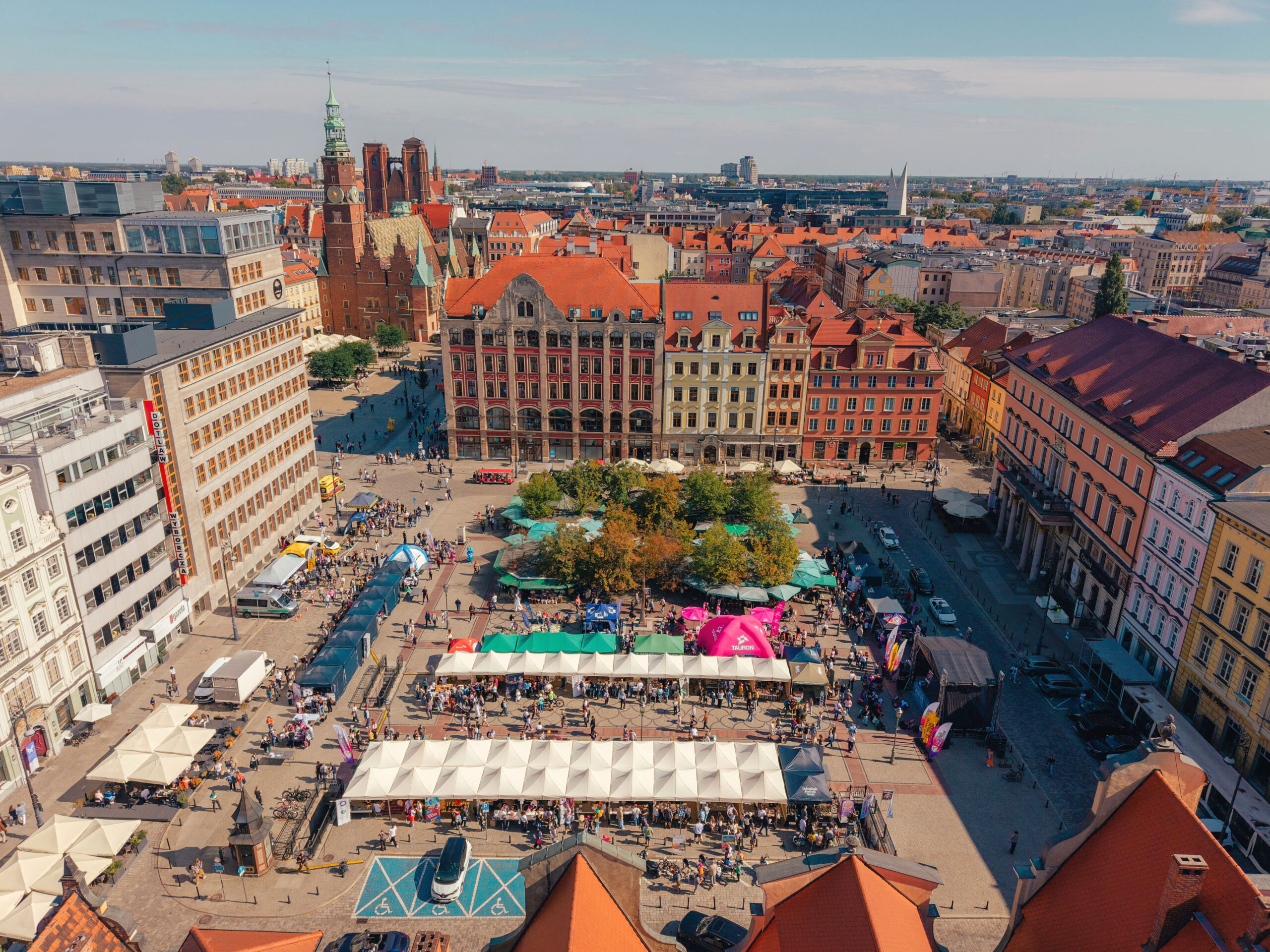
Lower Silesian Science Festival: Discover. Like. Remember.
The Lower Silesian Science Festival (LSSF) has popularised science since 1998, fostering public interest in science, technology, culture, and art for 29 years. Every new edition is a new celebration for us.
At the start of 2026, the Polish Year of Science Popularisation, Deputy Minister of Science and Higher Education Karolina Zioło-Pużuk published a statement on researchers’ role in public outreach. She highlighted the LSSF’s unique position in promoting science in Wrocław and Lower Silesia. The full statement is available here.
The programme featured activities designed to strengthen science communication and engage diverse audiences. Science Communicator Day included workshops on effective presentations, appearing on camera and connecting with younger generations. The Festival also marked the 180th anniversary of astronomer Johann Gottfried Galle’s discovery of Neptune with a special event and the unveiling of a commemorative plaque at the University of Wrocław.
Expanding its regional reach remains a priority. In 2026, Wołów joined the Festival as a new organising location, bringing science engagement to additional communities across Lower Silesia.

The LSSF also joined POPScience, a Polish network of science communicators, strengthening opportunities for collaboration and knowledge exchange. Looking ahead, the Festival is preparing to celebrate its 30th anniversary in September 2027.
Bringing Science Closer to Society
While each festival has its own identity and regional focus, both share a commitment to making science accessible, engaging and relevant to everyday life. Through public events, interactive activities and partnerships with academic and cultural institutions, they create opportunities for people to explore scientific ideas and connect with researchers.
Their achievements in 2026 highlight the importance of sustained investment in science popularisation and public engagement. As the Lublin Science Festival builds on more than 25 years of activity and the Lower Silesian Science Festival approaches its 30th anniversary, both demonstrate how curiosity and collaboration can strengthen the relationship between science and society.
Contributions by Monika Baczewska-Ciupak, Lublin Science Festival, and Barbara Cader-Sroka, University of Wrocław.