How to navigate change—and thrive—in a shifting research and innovation environment.
Date: December 16th
Time: 12:30 -14:00 CET
The European Commission’s latest funding work programme of the WIDERA 2026-27 programme introduces significant new priorities as fostering citizen engagement for more responsible and democratisation of science, promoting public engagement in R&I, scientific literacy and measuring impact. Engagement activities as well as societal impact can also be found in other programmes across Horizon Europe. With only two years left of the current framework programme, science engagers, researchers and institutions need to quickly act in order to build competitive consortia.
This webinar provides a clear and practical overview of the EC funding schemes, including Horizon Europe updates, and evolving expectations around democratisation of science and impact measurement. Whether you’re a seasoned grant writer or new to the process, understanding the EC funding schemes is key to maintaining a competitive edge in the crowded European research landscape.
Topics we’ll cover:
- Key updates in EC funding priorities and instruments for 2026-27 and beyond
- The rise of impact-focused research and public engagement expectations
- How to get involved and build competitive, future-ready consortia and project partnerships
- Plus a little Christmas fun!
Who is in the kitchen?
Maria Hagardt
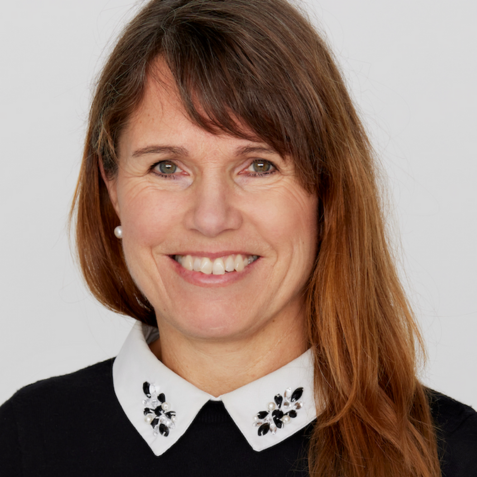
Maria Hagardt is Senior Research Officer at the International Secretariat of the Swedish Research Office, where she coordinates and helps shape future European Research Area Policy Agenda and EU R&I Framework Programmes with a specific focus on public engagement and building trust in science. Her extensive experience includes roles as International Relations Manager at Public & Science Sweden and as a National Contact Point for EU Horizon 2020 and FP7. She is a member of EU reference groups for the EU Horizon Europe WIDERA programme and a national expert in the European Commission’s Mutual Learning Exercise on Public Engagement.
Helen Garrison
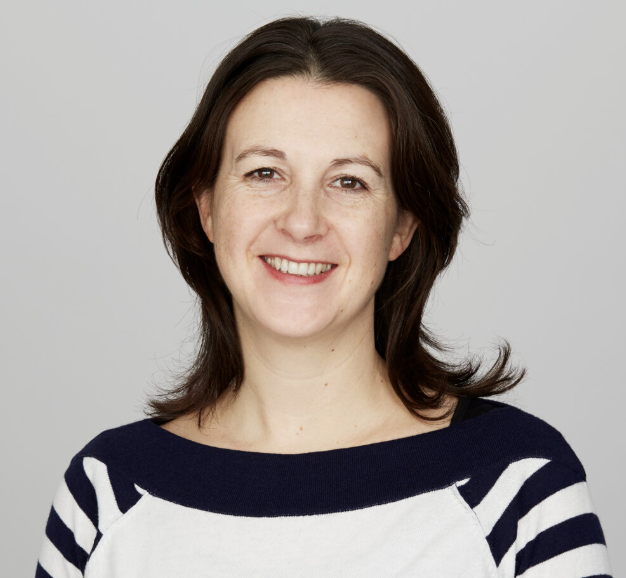
Helen Garrison is a Project and Communications Manager at Vetenskap & Allmänhet (Public & Science), a Swedish non-profit organisation that promotes openness and dialogue between researchers and the public. With over 20 years’ experience in science communication and public engagement, she has worked on 11 EU-funded projects for Public & Science, where societal engagement is central. In addition to managing EU projects, she contributes to developing new collaborations and funding proposals. Helen’s background also includes roles at the British Council in Sweden and the Department for Education and Skills in the UK. Public & Science has been working on EU-funded projects since 2009 and has experience from 23 projects to date, including co-ordinating European Researchers’ Night in Sweden.
Georgios Papanagnou
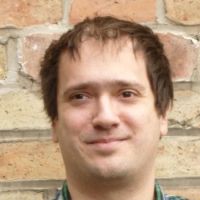
Dr. Papanagnou is a Policy Officer on Open Science and Public Engagement in R&I at the European Commission, with a background spanning UNESCO, academia, and DG Research & Innovation. His work focuses on participation, democracy, and fairness in science and innovation, and he holds a PhD in Political Science.