
Public engagement, a practical-guide

A Comprehensive Guide to Science Communication
created by Hindawi
Stakeholder Engagement Handbook
The BiodivERsA Stakeholder Engagement Handbook is a non-academic practical guide for researchers planning and carrying out research projects. It is designed to assist research teams identify relevant stakeholders to engage with in order to enhance the impact of their work. The Handbook draws upon exiting literature and presents case studies that provide clear, simple guidance, which considers ‘why’, ‘who’, ‘when’ and ‘how’ to engage.

Mapping the value chain
Mission Space Explorer
Mission Oriented Research Innovation In The European Union
Nesta playbook for innovation learning

Science museum group engaging all audiences with science

Scientists as storytellers
Social innovation trigger for transformations
The Cultural and Creative Cities Monitor
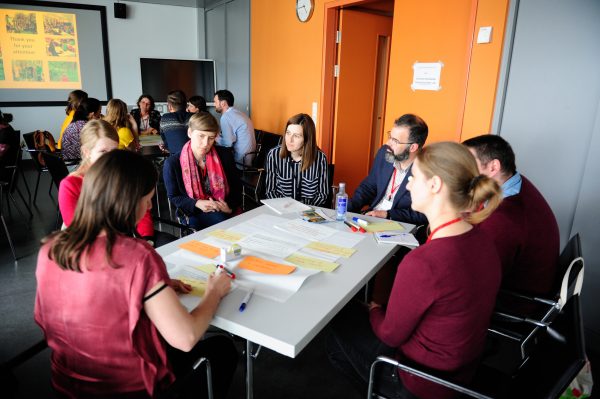
The multistakeholder partnerships guide
12 QUALITY INDICATORS
for Science Communication
Menu of co-creation tools
The ORION project
How Universities Start Conversations Between Citizens And Scientists
5 ways (and 41 concrete actions) to embed accessibility and inclusivity into online or in-person events

Secrets to writing a winning grant
Experienced scientists reveal how to avoid application pitfalls to submit successful proposals.

Evaluation of Science Communication: Current Practices, Challenges, and Future Implications
Science Communication on Social Media: Good Practices
Misconceptions In Science Communication

4 Types of Learning Styles: How to Accommodate a Diverse Group of Students

15 AR and VR Immersive Learning Tools
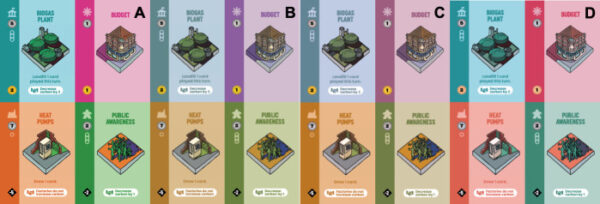
Ten simple rules for designing analogue science games
Sam Illingworth1,* and Paul Wake2

Gaming science: the “Gamification” of scientific thinking
Bradley J. Morris1*, Steve Croker2, Corinne Zimmerman2, Devin Gill2 and Connie Romig1
Evaluating online engagement: a guide with best practice examples

Practical steps to make European research and innovation more socially responsible

Opinion: How to Confront Anti-Science Sentiment

Scientific communication from a gender perspective
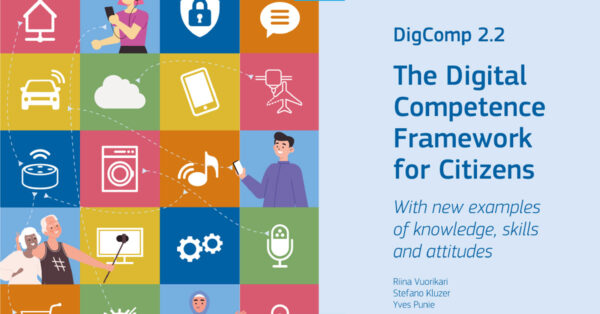
Digital Competences Framework (DigComp 2.2) update published
Neurodivergent in STEM
100 Great Community Engagement Ideas
Tips, tricks, and best practices to help guide planners to better results!
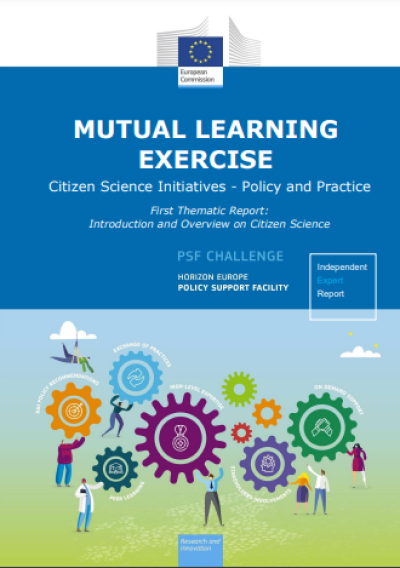
Mutual learning exercise on citizen science initiatives
Policy and practice. First topic report, Introduction and overview of citizen science : Horizon Europe policy support facility
How can Citizen Science change Science itself? – ACTION publishes White Paper of Science Innovation Through Citizen Science
Six virtues for the reflective science communication practitioner
Handbook on Research Assessment in the Social Sciences (2022)
Edited by Tim C.E. Engels & Emanuel Kulczycki

How can Citizen Science change Science itself? – ACTION publishes White Paper of Science Innovation Through Citizen Science
A Systematic Map of Inclusion, Equity and Diversity in Science Communication Research: Do We Practice what We Preach?
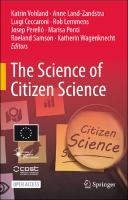
The Science of Citizen Science
This open access book discusses how the involvement of citizens in scientific endeavours is expected to contribute to solving the big challenges of our time, such as climate change and the loss of biodiversity, growing inequalities within and between societies, and the sustainability turn.
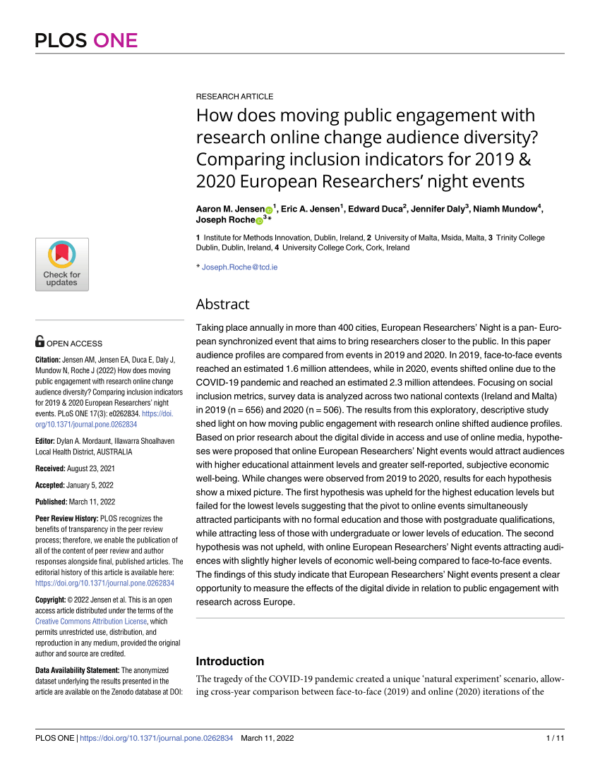
How does moving public engagement with research online change audience diversity?
Aaron M. Jensen, Eric A. Jensen, Edward Duca, Jennifer Daly, Niamh Mundow, Joseph Roche
STEAM PARTNERSHIPS: Building Collaborative Multidisciplinary
Communities for Change using STEAM Approaches
STEAM Manifesto for Future-oriented Science Education
In this 7-page document, you will find 10 recommendations to set the tone and foster future-oriented discussions and spaces, especially in your classroom and the context that explains why FEDORA has been busy thinking, reflecting and researching what can make education in science more in tune with the future.
PATHOS – Open Science Indicator Handbook
This is the work-in-progress Open Science Indicator Handbook by PathOS. This handbook covers indicators measuring various aspects of Open Science, their academic, societal and economic impacts, and reproducibility.

PEOPLE-POWERED CHANGE – IMPETUS POLICY
RECOMMENDATIONS & BRIEFS FOR CITIZEN SCIENCE
Drawing on the evidence and experience generated throughout the IMPETUS project, the Nesta team developed a series of policy recommendations and briefs to help shape the future of citizen science across Europe. These offer practical, evidence-based guidance for three key audiences: EU and national funders; cultural institutions and public bodies; and practitioners and researchers, reflecting the project’s ambition to support a more inclusive, impactful, and policy-connected citizen science ecosystem.

The Royal Society’s Science for Society report examines how science connects with the public and offers recommendations for strengthening those ties. While the UK public views science positively and wants greater engagement with scientists and government, opportunities like science centres and museum programmes are under threat, even as online misinformation increasingly crowds out reliable scientific media. UK researchers also want to engage more with the public, but lack the stability, time, skills, and funding to do so well- engagement should be treated as a core part of research culture, not an optional extra.